World Liberty Plans WLFI Buybacks With Possible USD1 Fee Funding


Image Credit: Shutterstock
- World Liberty Financial announced a WLFI token buyback program on Nov. 5.
- The initiative intends to encourage governance participation and increase committed holders' voting power.
- The announcement leaves purchase scale, budget, timeline, and venue details undefined.
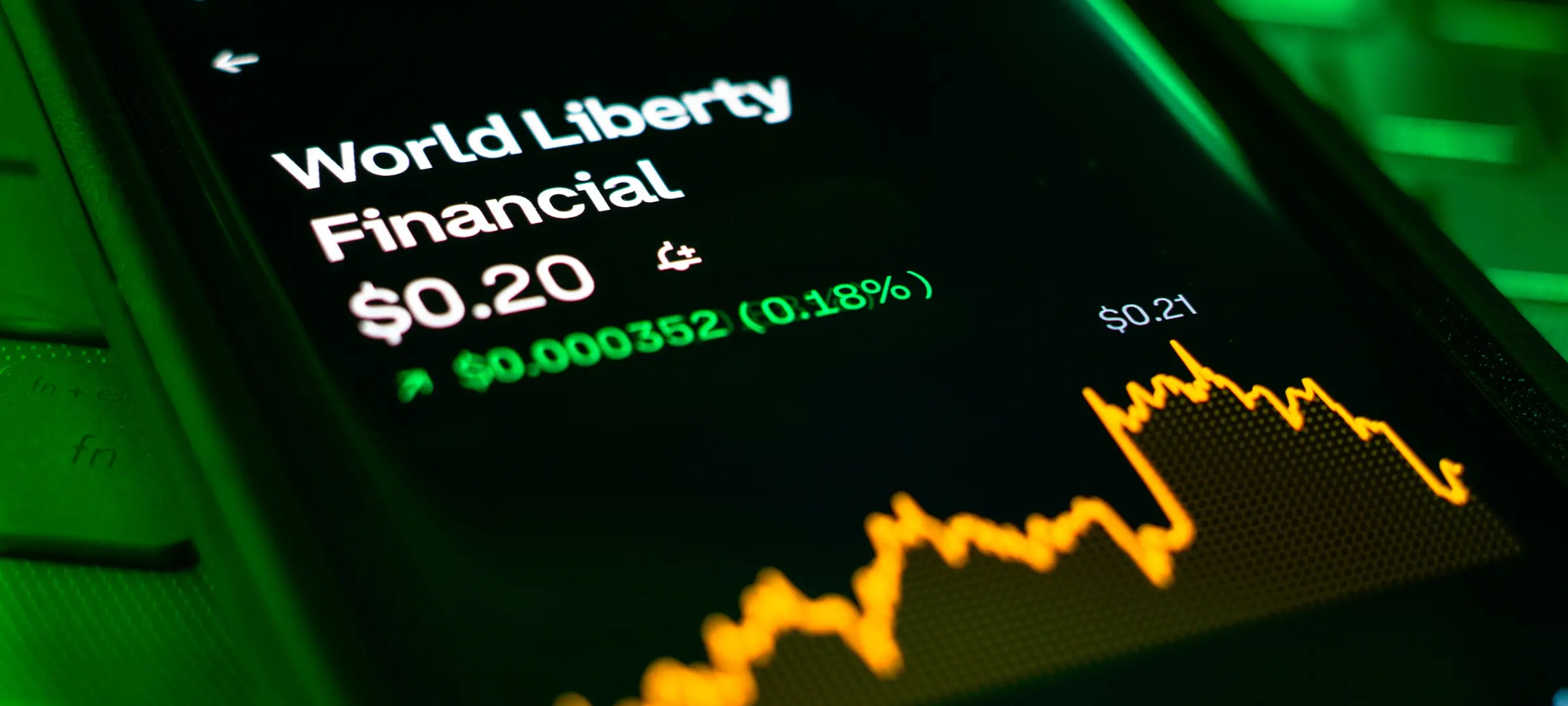
World Liberty Financial announced on Nov. 5 that it was launching a WLFI token buyback program, potentially funded partly by fees earned from USD1 reserves. The company’s objective was to encourage governance participation and increase voting power among committed long-term holders.
World Liberty intends buybacks to become an ongoing part of its strategy. However, the announcement leaves the scale of purchases undefined, limiting what holders can assess about their immediate effect.
USD1 Reserve Fees Could Support Purchases
The proposed funding would connect income associated with World Liberty’s stablecoin business to purchases of its governance token. The announcement refers to fees earned from USD1 reserves, rather than a stated plan to spend the reserve assets themselves.
USD1’s official disclosures distinguish those backing assets from the interest they generate. BitGo and World Liberty affiliates are entitled to reserve interest under their agreements, while eligible USD1 holders can redeem through BitGo, subject to onboarding requirements.
For USD1 users, reserve assets support dollar redemption. Directing associated fee income toward WLFI purchases serves a separate purpose and does not itself change the stablecoin’s stated redemption terms.
Earlier Proposal Connected Buybacks With Permanent Burns
A September 2025 proposal from the WLFI team called for all fees earned from project-owned liquidity positions to fund open-market purchases followed by permanent token burns. Fees belonging to community members or third-party liquidity providers were excluded.
That proposal linked burning tokens to increasing remaining holders’ relative voting weight. It also contemplated expanding funding to other protocol revenue sources as the ecosystem grew.
The latest announcement does not clearly explain whether its new allocation follows that mechanism. The earlier proposal supplies relevant context, but the new program’s treatment of purchased tokens remains unspecified.
Future Purchases Remain Discretionary
World Liberty would evaluate the program during implementation, with future purchase scale and pace informed by ecosystem growth and governance participation. That leaves room to adjust spending rather than committing to a fixed recurring amount.
The company did not disclose an initial budget, execution timetable or purchase venues. Those details, alongside confirmation of whether acquired tokens will be burned, would determine how the program affects tradable supply and holders’ relative voting weight.