

Image Credit: Shutterstock
- Democrats are expected to control both congressional chambers after the midterms.
- Sherrod Brown won the Ohio special Senate election despite heavy crypto opposition.
- The Clarity Act outcome will dictate exchange registration and investor protection requirements.
Democrats are expected to take control of both chambers of Congress after the Nov. 3 midterms, reshaping the path for U.S. crypto legislation when the new term begins in January.
Sherrod Brown’s victory in Ohio also brings a prominent crypto critic back to the Senate, despite heavy industry spending against him.
Brown Wins Ohio Despite Crypto-Backed Opposition
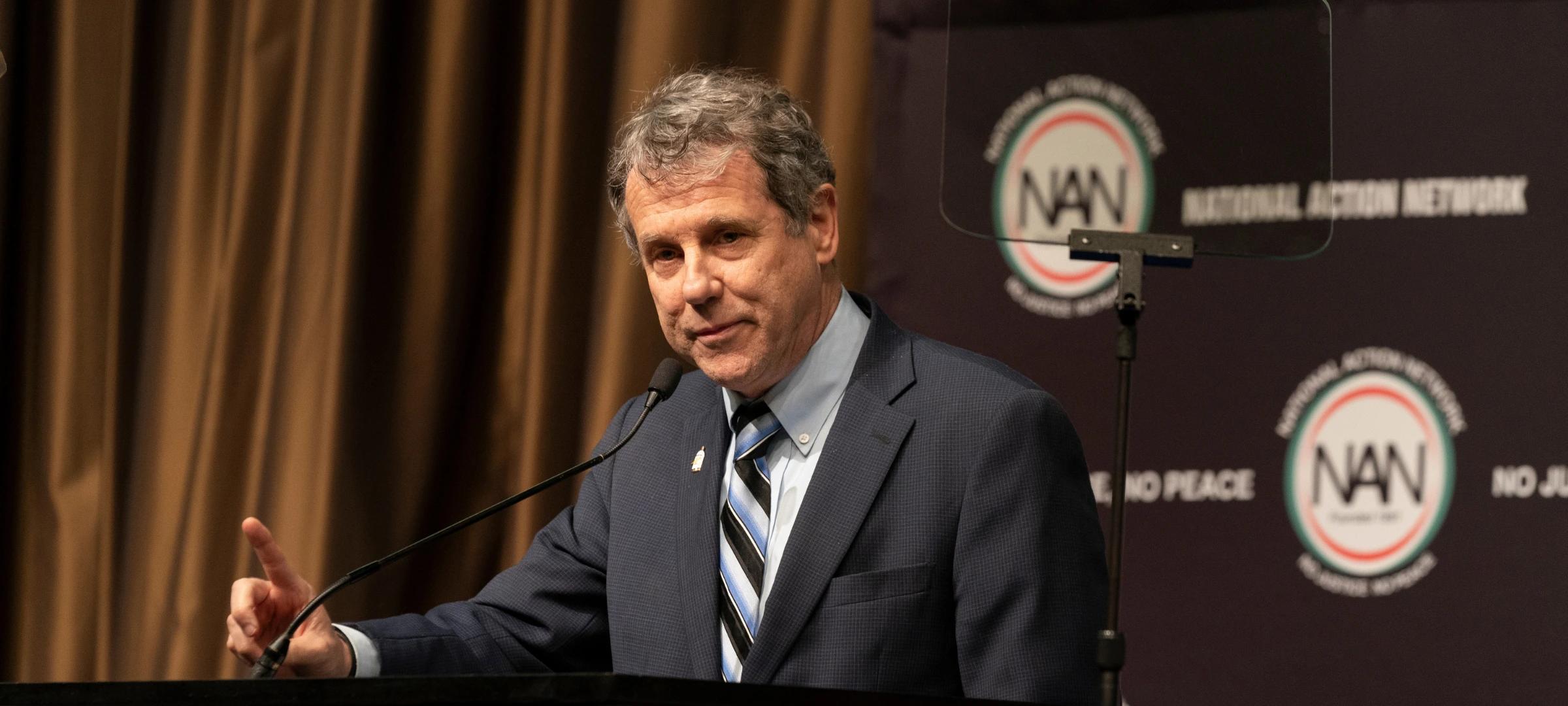
Brown defeated Republican Jon Husted in Ohio’s special Senate election, returning two years after losing to Bernie Moreno. He previously chaired the Senate Banking Committee, one of the main panels overseeing financial regulation.
Crypto-backed campaign group Fairshake had spent heavily to oppose Brown’s return. Husted, meanwhile, voted to advance the Senate’s crypto market-structure legislation in September.
Husted was appointed in January 2025 to replace JD Vance after he became vice president. Brown won the race to serve the remainder of that term, which runs through Jan. 3, 2029.
Clarity Bill Faces New Negotiations on Consumer Protections
The unfinished Clarity Act aims to set rules for crypto trading platforms and define the roles of the U.S. Securities and Exchange Commission (SEC) and Commodity Futures Trading Commission (CFTC). Its outcome matters for how exchanges register and which investor protections they must provide.
The bill passed the House in July 2025 with support from 78 Democrats but failed the Senate vote on Sept. 15, 2026. That earlier support shows crypto legislation still has allies across party lines.
During negotiations, Democrats sought stronger consumer protections, controls on illicit finance and restrictions on public officials’ crypto interests. With committee control shifting, they would have greater leverage over which proposals move forward and what safeguards those proposals must contain.
For exchanges and other crypto businesses seeking a federal regulatory framework, the election changes who they need to negotiate with and which concerns carry the most weight.
Warren Could Lead Banking Panel as Oversight Expands
Senator Elizabeth Warren, currently the Senate Banking Committee’s ranking Democrat, could become its chair. However, she has not yet been confirmed in that role, and Brown’s return does not automatically restore his former chairmanship.
Democratic control would also give the party more power to examine crypto companies and the regulators supervising them. Committees can hold hearings, seek records and question officials, creating another route to scrutinize public officials’ financial interests alongside writing legislation.
Warren has previously signaled a willingness to negotiate. Speaking on Sept. 15, she said:
“I’d be happy to sit down with other Democrats, with the Republicans, and with the industry.”
January Change Leaves a Short Window for Current Lawmakers
Republicans remain in control of the current Congress until the new term begins, leaving a postelection window for unfinished bills. If the legislation is not enacted before this Congress ends, it would need to be introduced again.
President Donald Trump would retain the power to veto legislation, which Congress can override only with two-thirds support in each chamber. The election gives Democrats control of the congressional agenda, while existing crypto laws remain in force.