

Image Credit: Shutterstock
Key Takeaways
- Zcash rose 10% to lead major crypto gains as Bitcoin held near $86,900, up 1%
- The American Reserve Modernization Act cleared a House committee 28-21, its furthest advance yet in Congress
- The SEC’s new innovation exemption for tokenized stocks, plus easing bond yields and oil prices, also supported the rally
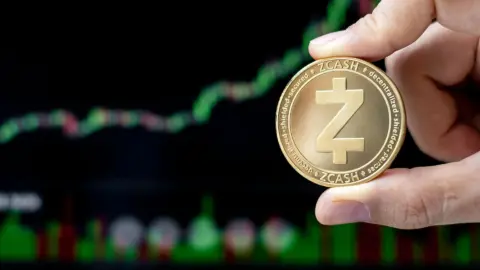
Zcash rose 10% to just above $1,616 during Wednesday’s Asian morning hours, leading gains among major cryptocurrencies as Bitcoin held near $86,900, up 1% over 24 hours. Most large tokens advanced alongside news that a bill to formalize the U.S. government’s Bitcoin holdings had cleared a House committee vote.
Broad Gains Across Major Tokens
XRP added 6% to trade just above $1.62, and HYPE gained 4% to near $97. Dogecoin rose 4%, while Ether, BNB and Solana each added less than 1%. TRX was the only large token among those tracked to decline, falling 1%.
Analysts pointed to two U.S. policy developments behind the market’s upbeat tone. The House Financial Services Committee approved the American Reserve Modernization Act on Sept. 17 by a 28-21 vote, sending the bill toward a full House vote and marking the furthest such legislation has advanced in Congress.
Separately, the SEC has moved to fill the regulatory gap left by the stalled Clarity Act. The agency introduced an innovation exemption clearing a path for on-chain trading of tokenized U.S. stocks within roughly 24 hours of the Clarity Act’s Senate defeat, a sequence some analysts said helped lift tokenization-linked tokens and broader market confidence.
Tony Dicarlo, director of institutional propositions at RootstockLabs, said in emailed comments that the combination of technical and legislative signals has reinforced the market’s bullish tone.
“Technically, bitcoin’s back above its 50 and 200 week moving averages, up approximately 29% in 35 days. Legislatively, the SEC stepped up support of digital assets where Congress hasn’t, with the Innovation Exemption filling the Clarity gap within 24 hours, driving sharp rallies in tokenization-related digital assets and improving broader confidence.”
He added that the American Reserve Modernization Act clearing committee last week has also reignited the Strategic Bitcoin Reserve conversation again, the furthest such a bill has gotten in Congress, though it still needs a full House and Senate vote.
What the Reserve Bill Would Do
The American Reserve Modernization Act would place the roughly 325,000 Bitcoin the U.S. government currently holds, most of it seized through criminal and civil forfeitures, into a formal Strategic Bitcoin Reserve managed by the Treasury Department.
The bill would require those coins be held for at least 20 years and would mandate quarterly audited proof that the reserve remains intact.
The legislation also directs a study of potential methods for acquiring additional Bitcoin for the reserve without adding to the federal deficit.
Passing committee is a preliminary step; the bill still requires approval from the full House and a separate vote in the Senate before it could become law, and no timeline for either vote has been set.
Broader Markets Reflect Easing Inflation Concerns
Government bonds rallied across Asian trading as oil prices extended a decline. Australian and New Zealand 10-year bond yields each fell at least three basis points, and 10-year U.S. Treasury futures climbed, though cash Treasury trading was closed for a Japanese holiday.
Brent crude fell under 1% to about $99 a barrel, marking a sixth consecutive losing session and its longest streak of declines in a year. The drop followed comments from President Donald Trump describing a “very good” meeting between U.S. officials and Iranian envoys in New York as part of renewed diplomatic efforts to de-escalate regional tensions.
The Bank of Japan raised interest rates last week on a 7-2 vote, a margin narrow enough that traders interpreted it as signaling a gradual rather than aggressive path toward tighter monetary policy.
The yen has weakened since that decision, a dynamic that keeps borrowing costs in Japan low and continues supporting the flow of capital into higher-yielding assets elsewhere, including crypto markets.