

Image credit: Shutterstock
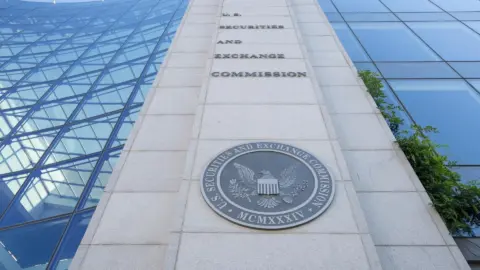
- The U.S. Securities and Exchange Commission charged four entities over two online investment scams collecting over $15 million from retail investors.
- The SEC filed complaints on Sept. 29 against Cryptoaiml and TSAI entities for misappropriating millions through fake AI trading products.
- The allegations remain subject to court proceedings.
The U.S. Securities and Exchange Commission has charged four entities over two alleged online investment scams. These scams collected more than $15 million from hundreds of retail investors, including many in the U.S., and used WhatsApp, Facebook, and fake trading platforms to promote purported artificial intelligence investment products.
The SEC filed separate complaints against Cryptoaiml Ltd., Cryptoaiml Capital Foundation, TSAI Pro Ltd. and TSAI Capital Foundation on Sept. 29. The SEC said the entities appeared to be operated by individuals located overseas.
WhatsApp Groups Promoted Fake Trading Signals
The SEC alleges Cryptoaiml and Cryptoaiml Capital Foundation misappropriated more than $12.5 million between at least August 2024 and March 2025. The entities allegedly created WhatsApp groups, impersonated investment professionals and promoted supposed AI-generated trading signals promising large profits.
Investors were directed to a trading platform and asked to transfer crypto assets into accounts displayed on the platform. The SEC alleges no genuine trading took place, displayed profits were fictitious and users seeking withdrawals were sometimes told to pay additional fees before their accounts could be unlocked.
Facebook and WhatsApp Used to Market AI Bots
In the second case, the SEC alleges TSAI Pro and TSAI Capital Foundation obtained more than $2.8 million from investors. Promotions through WhatsApp chats, public Facebook posts and the entity’s website claimed customers could earn guaranteed returns by renting AI-powered trading bots.
The SEC said the bots did not exist, and investor funds were not used to generate the promised returns. TSAI also allegedly encouraged customers to recruit other investors into the program.
Scammers Claimed SEC Regulation
Both alleged schemes sought to appear legitimate by claiming regulatory ties to the SEC. The regulator said Cryptoaiml used a falsified Form D, while TSAI displayed a fake SEC certificate tied to another falsified filing. SEC Enforcement Director David Woodcock said:
“Although the methods used to bilk innocent investors in these fraudulent investment scams varied, the goal was the same.”
The SEC has warned investors that group chats and claims of regulatory registration can be used to support investment fraud. The allegations remain subject to court proceedings and have not been finally adjudicated.