

Image Credit: Shutterstock
- Global crypto ATM counts dropped roughly 30% since the start of 2026.
- The United States lost 11,418 machines, driving 95% of the global reduction.
- Bitcoin Depot filed for Chapter 11 bankruptcy in May and wound down operations.
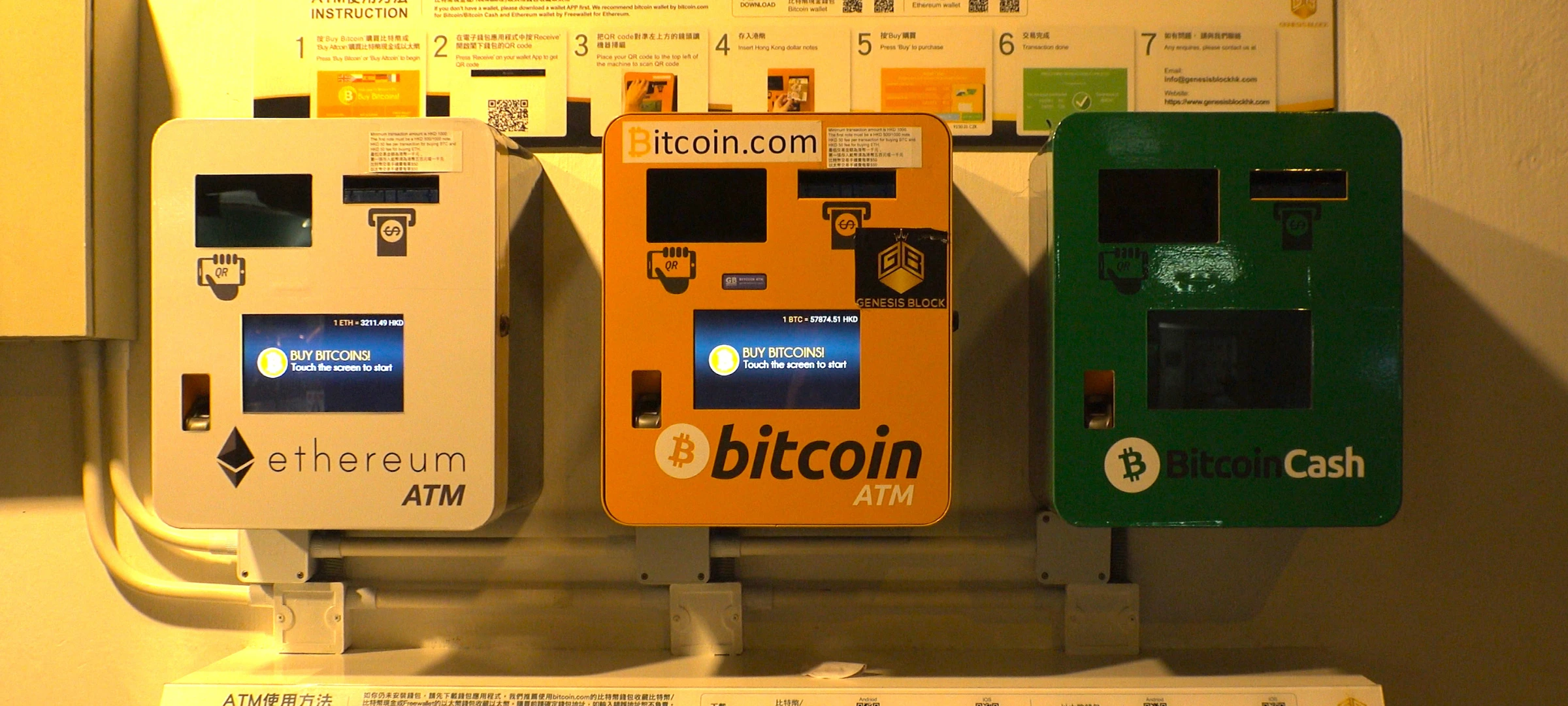
Crypto ATMs let customers turn physical cash into Bitcoin. For people who earn, save or transact in cash, a nearby machine can make buying crypto easier to access and use.
As infrastructure costs rise and pressure to stop frauds mounts, operators are finding it more and more challenging to keep that service running under strict regulations. Consumers now have more options for purchasing and storing cryptocurrencies, which makes the cost of that convenience more difficult to justify.
Crypto ATMs are best used as a specialized service for people who rely on cash. For operators to stay in business, they need to be able to serve those customers cheaply while also competing with other options that might offer similar benefits without a dedicated machine.
Why Crypto ATMs Are Losing Ground
Finbold’s September 24 analysis of Coin ATM Radar data counted 27,337 crypto ATMs worldwide, down from 39,402 at the start of 2026. That marks a roughly 30.6% drop.
Over the same time period, the United States lost 11,418 machines, accounting for roughly 95% of the total global net reduction. As a result, problems at large U.S. operators can have a substantial impact on the global total.
Bitcoin Depot filed for Chapter 11 bankruptcy in May and took its network offline as it moved to wind down operations and sell its assets. CEO Alex Holmes pointed to tighter rules, transaction limits and enforcement as the company announced its shutdown.
“Under these circumstances, the Company’s current business model is unsustainable.”
Australia’s AUSTRAC suspended Cryptolink’s registration for three months from August 9, taking 96 machines out of service. Other networks have continued under new ownership, including those RockItCoin acquired from FirstCoin ATM and Phoenix Crypto in 2023.
The European Union’s Markets in Crypto-Assets Regulation ended its final transitional period on July 1, 2026, requiring providers of covered services to secure authorization.
In the UK, the Financial Conduct Authority (FCA) says no registered crypto firms have been approved to offer ATM services. Operators need the staff and systems to meet regulatory requirements in each market before they can expand.
Adding to that, the FBI’s Internet Crime Complaint Center received more than 13,400 complaints involving crypto kiosks in 2025, giving regulators substantial reason to intervene. Scammers can instruct victims to withdraw cash and scan a supplied QR code, turning a functioning machine into the final step of a fraudulent payment.
Even if a client has passed an identity check, operators must be able to spot when and if they are being manipulated. More thorough checks can help keep customers safe and build trust, but they also slow down and complicate transactions.
Before its bankruptcy in May 2026, Bitcoin Depot predicted that its core revenue would drop by 30% to 40% in the year, most of it due to fraud controls and government restrictions. In addition to the cost of running their machines, operators must make enough money from legitimate transactions to pay their bills and keep their machines active.
Who Still Needs a Crypto ATM?
It might be difficult for someone who is holding cash to fund an exchange account using a payment card or a bank transfer. Access, which would otherwise be difficult to obtain, can be provided by a local automated crypto ATM.
New Zealand, for example, abandoned a proposed blanket ban in July 2026 after considering these uses. Associate Justice Minister Nicole McKee acknowledged that the machines could serve legitimate customers.
“[…] including for cash-reliant New Zealanders who want to access or invest in virtual assets.”
Bitcoin Depot’s kiosk markups ranged from 15% to 50% during the periods covered by its 2025 annual filing, with a separate transaction fee on top. Rent, upkeep, and collecting cash all add to the cost of the physical network. For customers, a large markup immediately reduces the value of using crypto ATMs.
In the Federal Reserve’s 2025 household survey, just 2% of U.S. adults used crypto for payments or transfers, compared with 9% who bought or held it as an investment. Transactional use reached 6% among unbanked adults. It is important to note here that the survey does not show how the people bought their crypto tokens.
Expansion could still be a viable option for ATM operators, but they first need to show users what advantages their machines offer over popular alternatives like exchanges. Even where they have an established local customer base, operators still need to keep up with an economy that increasingly relies on digital payments.
Exchanges and Cold Wallets Offer a Different Trade-Off
An ATM purchase can send crypto directly to a customer-controlled wallet. Once delivered, those coins are available independently of an exchange’s withdrawal policies or continued operation. That is a real incentive for someone who wants to pay cash and values direct ownership.
For customers with a bank account, buying through an exchange and withdrawing to a personal wallet can offer better value after trading, funding, and withdrawal fees are considered. A hardware wallet can keep private keys offline for longer-term storage, giving customers control over their holdings after the purchase. When a cheaper route provides the same access and control, a substantial ATM premium becomes harder to justify.
However, buying through an exchange does not automatically make a transaction safer. The October 30 Binance hack involved an estimated $6.3 billion in unauthorized withdrawals. ATM operators face similar risks, as demonstrated by the March 2026 theft of approximately 50.9 BTC from Bitcoin Depot’s company-controlled wallets.
Physical terminals still rely on digital infrastructure, while customers who use hardware wallets remain responsible for protecting their recovery details and spotting fraudulent payment requests.
The Alternative May Already Be at the Checkout
Cash-to-crypto services can operate through ordinary retail infrastructure. As an example, RockItCoin Go lets customers arrange a purchase in its app and directly pay a cashier using a unique barcode. Azteco also sells bitcoin vouchers through retailers that can be redeemed into an existing wallet. Both methods keep a way for cash to get into crypto without relying on dedicated ATMs.
By comparison, Bitcoin Depot’s BDCheckout service was cheaper to run because its ATM kiosks came with higher costs for collecting cash and renting space. Using existing retail checkouts could help providers reach more cash customers without installing machines at every location while giving them room to charge lower transaction fees.
Yet BDCheckout still charged a 15% markup and a $3.50 flat fee at the end of 2025. That makes it harder to explain high fees solely through the cost of running the ATMs. Providers also need to look at their own pricing and offer fair, competitive rates if they want to attract more cash customers.
What Would Make Crypto ATMs More Competitive?
Crypto ATMs can survive in locations with enough regular cash customers to cover operating costs, compliance, and fraud prevention. But operators need to keep the service affordable, show the full purchase price clearly and intervene when customers appear to be following a scammer’s instructions.
By comparison, customers already comfortable with online exchanges may get better value by buying crypto there and moving it to a wallet they control. Still, cash users deserve equally competitive options. After all, crypto was supposed to create financial equality and should widen access to financial opportunities, including for people without a bank account. They should not have to pay a substantial premium simply to participate in the crypto market or work toward their financial future.
As an example, someone sending money to family may find a bank transfer or remittance service simpler and cheaper. Buying crypto with cash and transferring it needs to offer a clear advantage in cost, speed, or access to justify those extra steps.
What Is Coin Insider’s Take On Crypto ATMs?
Crypto ATMs are becoming harder to recommend when high fees, extra verification steps, and possible transaction delays outweigh the convenience of a nearby machine. With regulation also putting pressure on operators, the industry needs to give customers more reasons to choose its services.
If providers keep charging a premium without delivering enough value, more machines will disappear. Continued closures could eventually make entire networks unviable, pushing crypto ATMs out of markets where alternatives already serve customers better.
Providers could reverse that trend through lower fees, faster transactions and services that cash customers actually need. But expecting demand to recover without improving the offer is unrealistic. Crypto ATMs will struggle to survive if the alternatives keep improving while the machines remain expensive and inconvenient.