

Image Credit: Shutterstock
Key Takeaways
- India’s first three tokenized corporate-bond issuances raised a combined ₹1,025 crore through SEBI’s Demat 2.0 pilot.
- The pilot links tokenized bonds to the Reserve Bank of India’s wholesale digital rupee for atomic settlement.
- The first phase is aimed at institutional issuance, with secondary trading and retail access planned for Stage II.
India’s securities regulator has launched a pilot that issues corporate bonds as digital tokens and settles the payment leg using the Reserve Bank of India’s wholesale digital rupee.
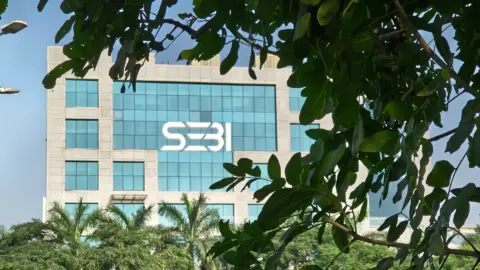
The Securities and Exchange Board of India (SEBI) said Demat 2.0 is designed to test how distributed-ledger technology can support the issuance, holding, trading and settlement of corporate bonds within India’s existing regulated market infrastructure.
Three companies have issued tokenized bonds through the pilot so far, raising a combined ₹1,025 crore.
Three Issuers Raise ₹1,025 Crore Through the Pilot
REC Limited, a state-owned non-bank lender, completed the first issuance on September 7, raising ₹500 crore from 18 investors.
Larsen & Toubro followed on September 9 with a ₹500 crore issuance involving four investors. IIFL, another non-bank lender, issued ₹25 crore in tokenized bonds to one investor on the same day.
SEBI said the bonds are issued as native digital tokens on private, permissioned DLT infrastructure developed and operated by regulated market infrastructure institutions, with technology and implementation support from NPCI.
The token represents the bond itself, rather than a separate crypto asset or a claim on an off-chain security. It keeps the same legal status, investor rights, coupon, maturity date, rating, and disclosure requirements as a conventional dematerialized bond.
Demat 2.0 Links Tokenized Bonds to the Digital Rupee
Demat 2.0 connects the bond ledger with the RBI’s wholesale central bank digital currency, known as e₹, through the Unified Market Interface.
This allows the bond and the payment to settle atomically. Either both transfers are completed together or neither is completed, reducing the risk that one party delivers the bond without receiving payment.
SEBI said the system could also automate coupon and redemption payments through smart contracts. Under the pilot, those payments can be sent in e₹ to bondholders’ CBDC wallets on the due date.
Investors do not need a separate demat account or new identity checks. Their tokenized holdings sit within an extension of their existing demat account, while the depositories remain the authoritative recordkeepers of beneficial ownership.
Stage II Will Add Trading and Retail Access
The first stage of the pilot focuses on institutional issuances. Stage II is expected to introduce secondary-market trading through existing request-for-quote and over-the-counter platforms while extending access to retail participants.
The regulator said the pilot will test the technology, security, settlement arrangements and regulatory controls before considering a wider rollout.