Why Do People Buy NFTs? The Main Reasons Explained

Key Takeaways
- NFT purchases combine artistic, social, practical and financial motives.
- Recent research finds intrinsic interest often matters alongside possible profit.
- Buying an NFT does not automatically transfer copyright or guarantee utility.
People buy NFTs for overlapping reasons, including collecting digital art, supporting creators, joining communities, accessing benefits, establishing a traceable ownership record and attempting to profit from resale. Financial speculation remains one motivation, but it does not explain every purchase.
A 2026 study based on 65 interviews and two surveys found that intrinsic interest, artistic value, creator support and community often work together in NFT adoption. An NFT can record control of a unique token on a blockchain, but purchasing it does not automatically transfer copyright, guarantee continued access to associated content or ensure that another buyer will want it later.
Why Do People Buy NFTs?
NFT buyers do not form one uniform group. Some primarily value the associated art or community, while others focus on access, transferability or potential resale. These motivations can reinforce one another and may change after someone enters a project.
| Reason | What the Buyer Values | Main Limitation |
|---|---|---|
| Art and collecting | A scarce token associated with a digital work or collectible | The underlying media can usually still be copied |
| Creator or project support | Funding and alignment with an artist, brand, or community | Secondary sales do not always compensate the creator |
| Community and identity | Belonging, recognition and social expression | Communities and their relevance can fade |
| Utility and access | Memberships, events, content, game features or rewards | The issuer or project must continue delivering |
| Provenance and transferability | A traceable token history and transferable blockchain record | The record does not prove copyright or creator legitimacy by itself |
| Speculation and resale | The possibility of selling at a higher price | NFT markets can be volatile and illiquid |
1. To Collect Digital Art and Other Items
Some buyers collect NFTs associated with digital art, music, videos, game items or cultural moments. Artistic appreciation, rarity, and fandom can matter without an expected financial return.
The NFT itself can be unique even when its associated media can be copied. Non-fungibility distinguishes the token within its contract; it does not make every displayed copy technically different. Calling a purchased file an “original” is therefore only appropriate when the project’s terms and design support that claim.
2. To Support a Creator, Brand, or Project
A buyer may purchase an NFT to support an artist, creator, brand or wider project. In a primary sale, some or all proceeds may go to the issuing party. Trust, shared values and emotional connection can matter as much as expected profit.
The 2026 study found project support to be important across many combinations of NFT-purchase motivations. It also found that buyers were more likely to participate when their values aligned with the artist, creator, or brand.
NFTs do not eliminate intermediaries. Creators may still depend on marketplaces, payment providers, blockchain networks and hosting services. Royalties on later sales are not automatic; payment depends on the contract, marketplace rules and transfer method.
3. To Join a Community or Express Identity
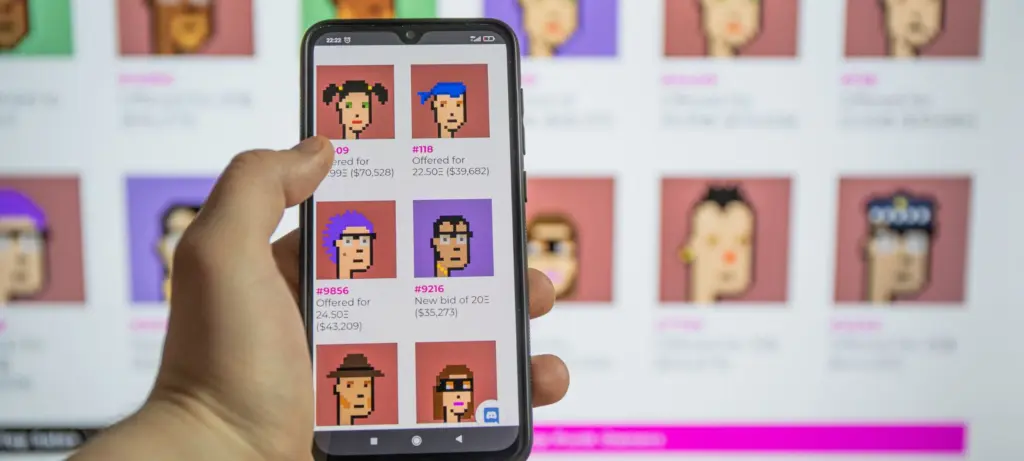
NFTs can act as profile pictures, membership identifiers, access passes or signals of fandom. Within a group, holding a recognized token may communicate taste, status, or participation.
This value is social rather than purely technical. A blockchain can show that an address holds a token, but it cannot make the community active, trustworthy or relevant. If members leave, the token may retain its history while losing much of its social meaning.
4. To Access Utility and Experiences
Some NFTs function as digital keys rather than standalone collectibles. A token may provide event admission, membership access, exclusive content, loyalty rewards, product claims, voting privileges or features in a game.
Utility is project-specific. The issuer, game, brand, or community must create and continue honoring the benefits, which may change under the terms or disappear if the service closes.
Access is not legal ownership. An NFT can function as a ticket without giving its holder ownership of the event, brand or intellectual property.
5. To Obtain Traceable Scarcity and Transferability
An NFT contract can assign a distinct token identifier, record its recognized owner address, preserve a transaction history and define transfer rules. It may also set a maximum supply or expose the number issued.
Those features create verifiable scarcity for the token, not necessarily its associated asset. Blockchain records can verify token history, but not that the minter owned the artwork, linked media will remain available or enforceable off-chain rights exist.
NFT metadata can point to an external file through a changeable URI. Saying an NFT is “stored on a blockchain” should not imply that all associated media is permanently on-chain.
6. To Speculate on Future Resale Value
Some buyers expect an NFT to appreciate because of an artist’s reputation, perceived rarity, community growth, new benefits or broader speculation. They intend to sell later at a higher price.
When an NFT is priced in Ether or another cryptocurrency, changes in the underlying cryptocurrency’s market price can also affect its value in fiat terms.
NFTs generally do not represent company equity or guaranteed cash flows. A listing price is an asking price, not a completed sale. A collection’s floor price also does not guarantee an individual token’s sale price.
Trading can become illiquid quickly, and past sales do not establish future value. The 2026 research suggests motivations can also evolve: someone may enter for expected returns and later value the art, community, or project itself.
What Do You Own When You Buy an NFT?
Buying an NFT normally gives the purchaser control of a blockchain token through a wallet. What else comes with that token depends on the smart contract, project terms, license and any separate legal agreement.
Token control may be clear on-chain while legal rights, media access and promised benefits depend on separate arrangements.
| Element | What the Purchase Usually Means |
|---|---|
| Blockchain token | The contract records the buyer’s address as the token owner |
| Associated image or media | The token may contain or link to the file or its metadata |
| Copyright | Copyright does not transfer automatically |
| Commercial rights | The buyer receives only the rights granted by the applicable license or agreement |
| Utility or membership | Access depends on the project continuing to honor the benefit |
| Physical asset | Ownership or redemption requires a legally and operationally valid link |
A joint U.S. Copyright Office and U.S. Patent and Trademark Office study found widespread concern that buyers and sellers do not understand which intellectual-property rights NFT transactions involve. It favored transparency and consumer education over changes to existing intellectual-property law.
The central distinction is simple: a blockchain can record control of the token. It does not automatically establish ownership of the copyright, physical object or service associated with it.
What Are the Risks of Buying NFTs?
NFT risks extend beyond price changes because a purchase can depend on markets, project operators, licenses, storage systems, wallets, and smart contracts at the same time.
- Price risk: Prices depend heavily on demand and can fall sharply. Rarity alone does not guarantee value.
- Liquidity risk: A holder may find no willing buyer or may have to accept a much lower price to sell.
- Project risk: Communities, games and membership programs can close, change direction or stop providing promised benefits.
- Rights and storage risk: Copyright may remain with the creator, while linked media or metadata may depend on external storage that changes or disappears.
- Fraud risk: Counterfeit collections, compromised social accounts and malicious minting links can imitate legitimate projects. The FBI has warned that criminals use cloned or hijacked developer accounts to direct users to wallet-draining websites.
- Technical risk:Smart-contract flaws, phishing, malicious approvals, wallet compromise and lost private keys can lead to irreversible losses.
Control can still be transferred through stolen credentials or deceptive approvals. On-chain traceability does not make an NFT impossible to lose or steal.
What Should Buyers Check Before Purchasing an NFT?
A useful review connects the token to its creator, rights, storage, promised benefits and market activity before a purchase or wallet approval.
- Confirm the official contract address and collection creator.
- Check whether the seller can legally use the associated media or brand.
- Read the copyright and commercial-use license rather than inferring rights from ownership of the token.
- Identify where the media and metadata are stored and whether they can change.
- Determine what utility is promised, who provides it and whether it can change.
- Check the total supply, minting controls and whether additional tokens can be created.
- Review completed sales and active bids rather than relying on listing prices or a collection-wide floor alone.
- Include smart contracts, marketplace, and network fees in the purchase cost.
- Verify the website, social account and minting link before connecting a wallet or granting an approval.
An NFT’s value does not come from non-fungibility alone. It depends on what the token represents, which rights or benefits accompany it, whether the project remains credible and whether anyone else continues to value it.
Disclaimer
The content on this page is for informational purposes only and does not constitute financial, investment, or legal advice. Cryptocurrency investments carry risk, including the possible loss of principal. Always do your own research and consult a qualified professional before making financial decisions.
How to Set Up a Crypto Wallet Safely as a Beginner
How to Buy Solana: A Beginner’s Guide